 Profile:
Tarot card meanings
All tarot cards have a general Tarot card meaning, but different tarot readers may have different Tarot card explanations and interpretations.
All tarot cards have a general Tarot card meaning, but different tarot readers may have different explanations and interpretations of the cards. People have been turning to Tarot cards for centuries to find answers to their questions and to explore themselves. A standard Tarot deck consists of 78 cards, each of which has a specific meaning both in its upright position and reversed. On the TaroKartis.lv website you will find explanations, or interpretations, of all the Tarot cards, prepared by a professional tarot reader.
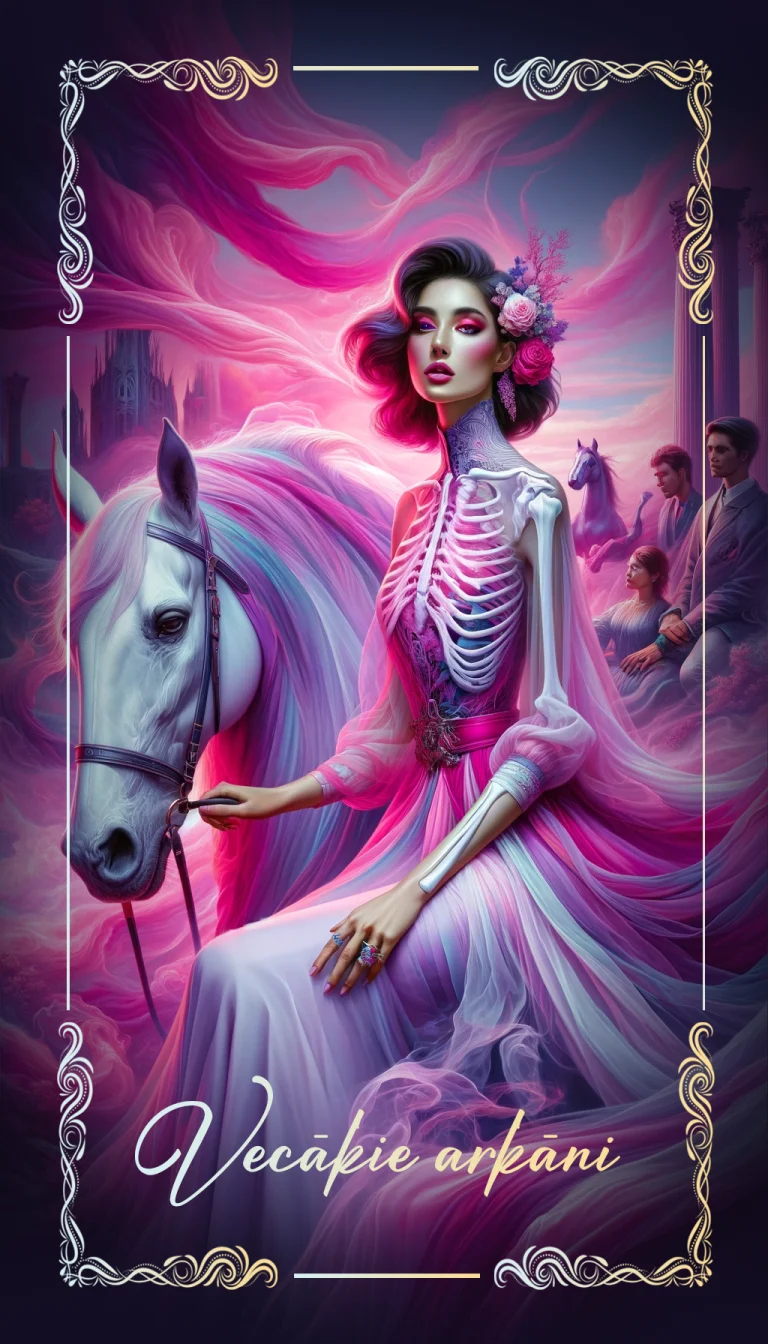 Major Arcana
See the Major Arcana meanings »
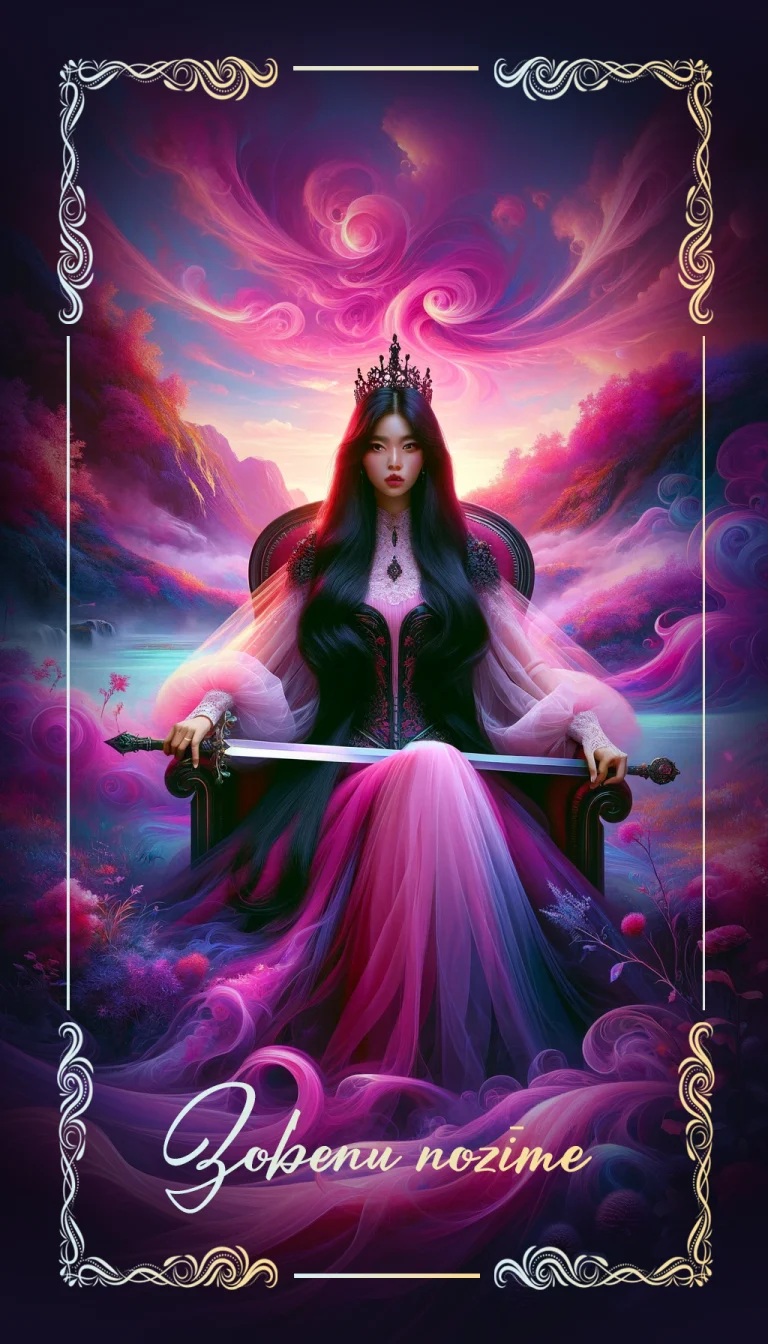 Meaning of Swords
See the meaning of Swords »
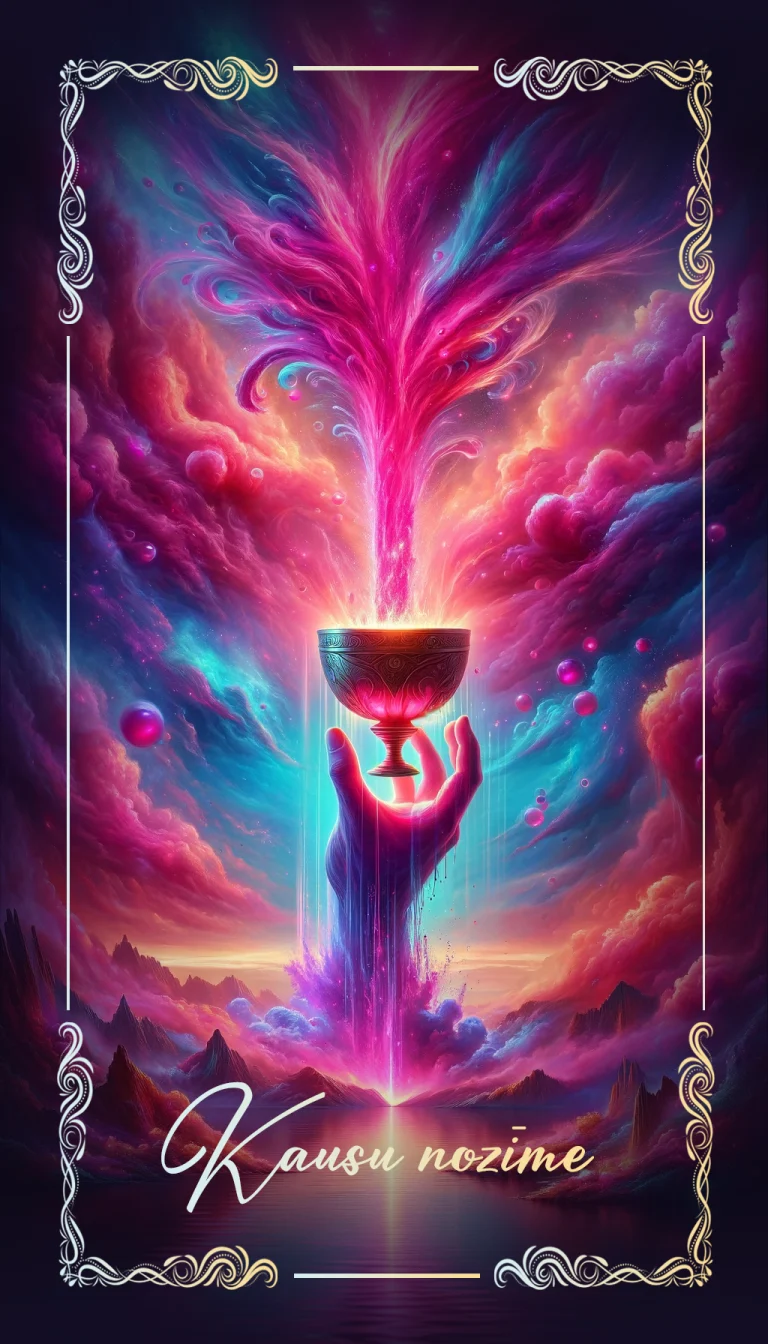 Meaning of Cups
See the meaning of Cups »
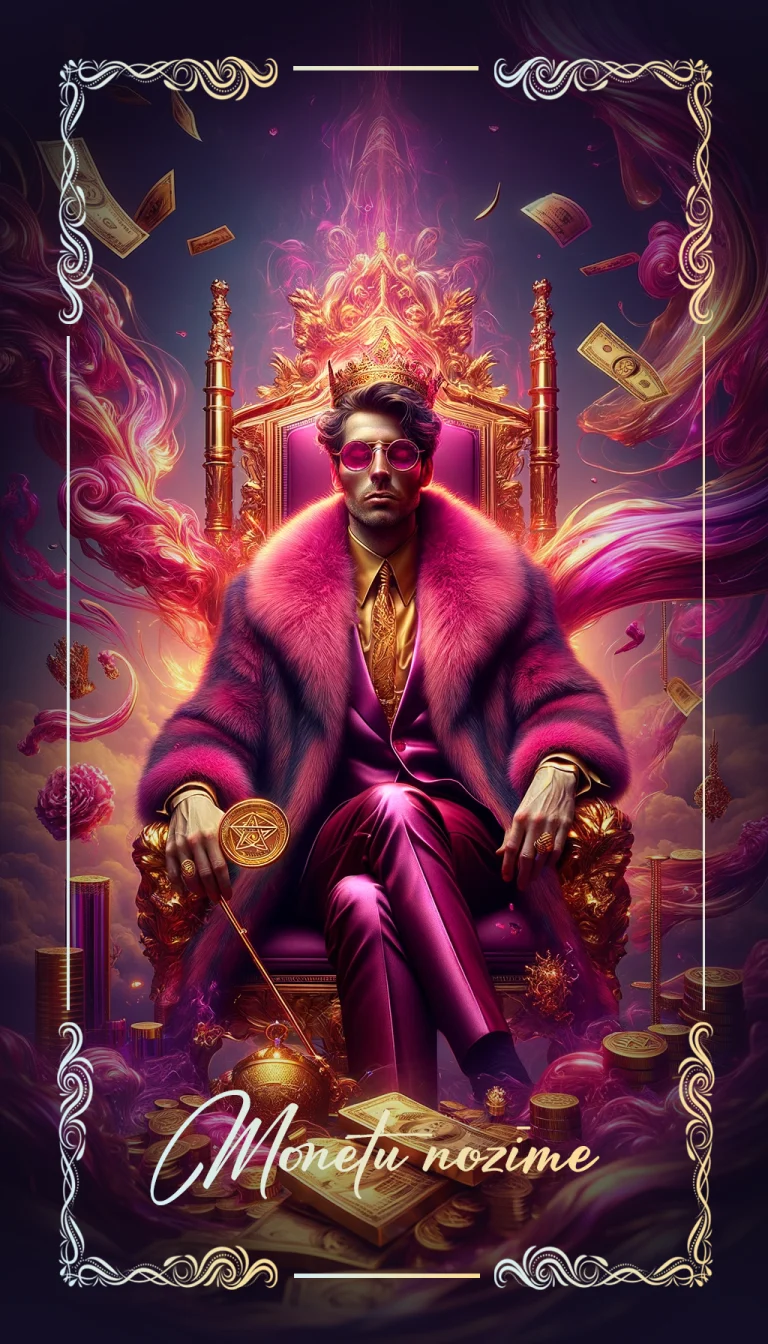 Meaning of Pentacles
See the meaning of Pentacles »
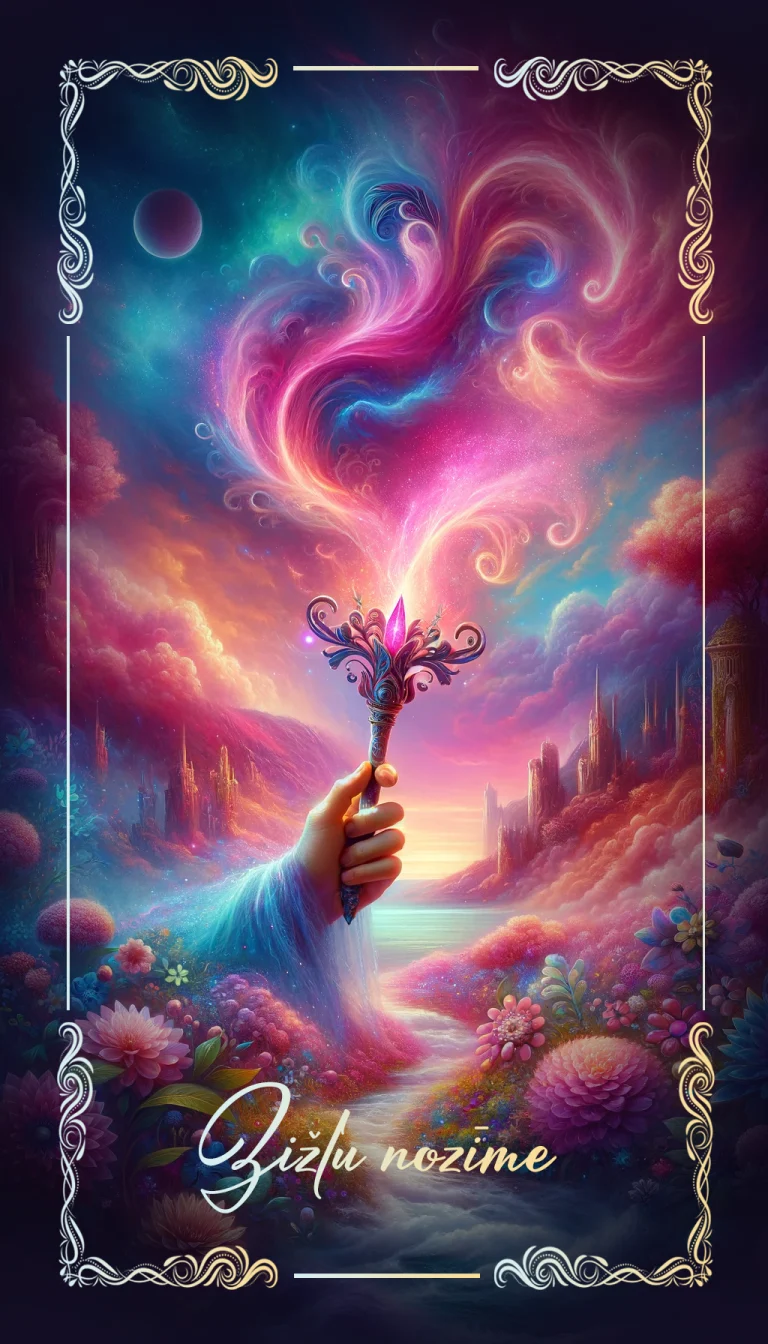 Meaning of Wands
See the meaning of Wands »

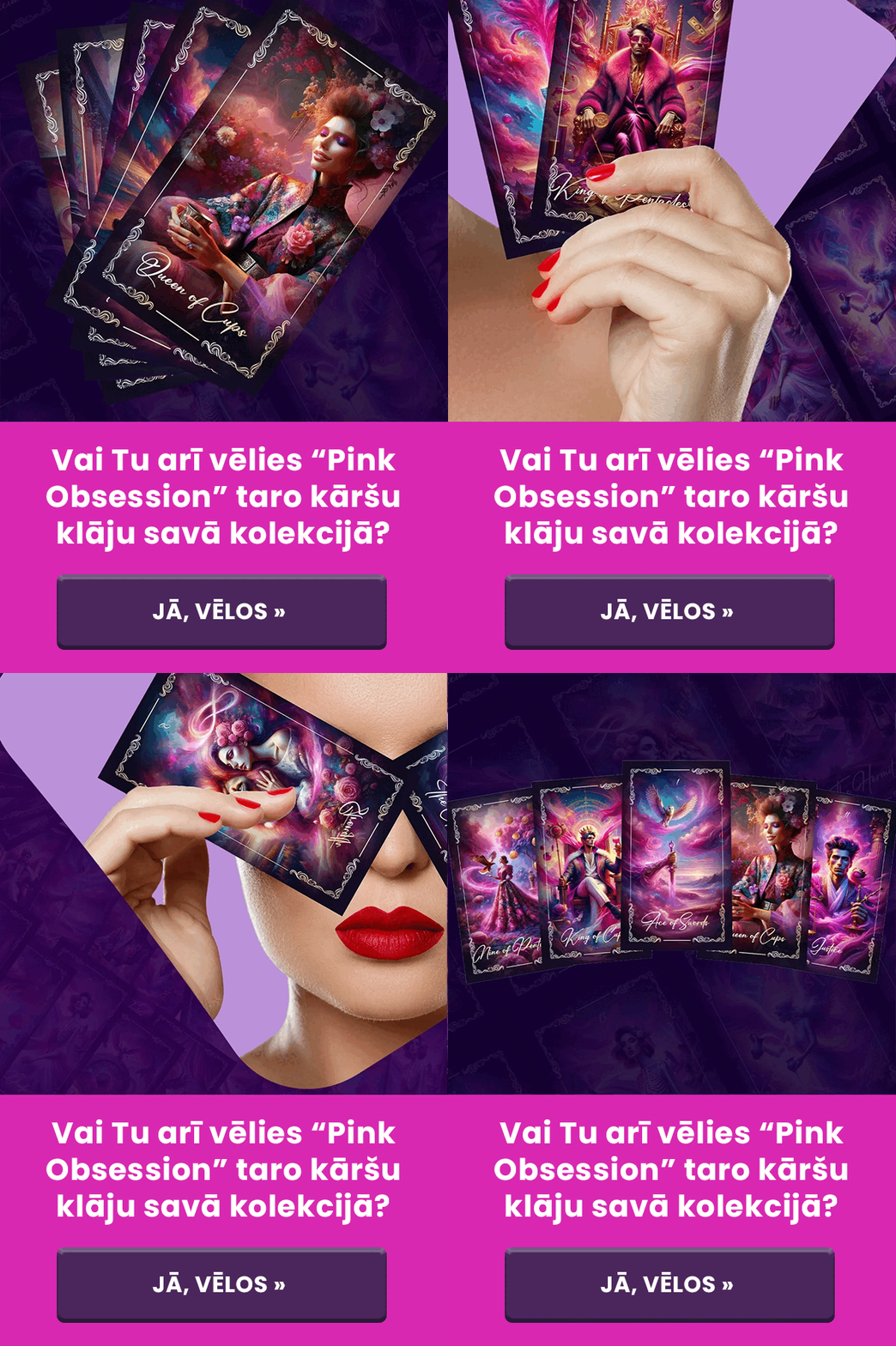
Tarot cards are divided into the Major Arcana, which are the most powerful cards, and the Minor Arcana. The Major Arcana are numbered from 0 to 21 (XXI). The Minor Arcana consist of 56 cards and are divided into four suits: Swords, Wands, Cups and Coins, or Pentacles. Each suit has ten numbered, or pip, cards — from the Ace, which is the one, to the Ten — and 4 court cards: the King, the Queen, the Page and the Knight.
Tarot cards are a multi-layered system of symbols that unites the invisible, magical world with the world of our subconscious archetypes described by Carl Gustav Jung. Tarot cards are divided into four suits corresponding to the four elements — earth, air, water and fire.
All four of these elements also live within each of us. Yet there is a leading element, a friendly one, a neutral one and a harmful one. Fire, water, air, earth — they represent four types of human personality, depending on which element is the leading one.
The meaning of the Tarot court cards
What is the meaning of the Tarot court cards? The Tarot court cards show the essence of the “main character”, revealing their leading element, their archetype. Thus the 16 court cards correspond to 16 archetypes. The Tarot court cards are the King, the Queen, the Page and the Knight.
A person's leading element remains unchanged from birth until death. During their life a person also develops the qualities of the other elements, but the leading element stays the same. A person's leading element and personality type can be determined from their behavioural patterns. By determining a person's personality type, it is possible to understand their life scenario and to predict their behavioural patterns, attitude to life, actions and reactions in critical situations.
The language of Tarot is a language of metaphors, symbols and archetypes. Each Tarot card depicts a particular storyline — a mythology describing a certain event, energy or hero. To understand Tarot cards well, you need a good knowledge of mythology and the meaning of symbols, because there really are a great many symbols in every Tarot card. Every self-respecting tarot reader creates their own card interpretations through deep and careful inner work. To better understand each of the Tarot cards you can use various practices; one of them is Tarot meditation. Tarot meditations can help you literally merge with the energy of each arcanum and feel it within yourself.
The main task of the Tarot court cards is to reveal a person's psychotype — the essence of their personality, their character, behaviour and emotions. Based on the court cards, Tarot can determine a person's physiological or mental age, as well as their temperament.
- The Page — a child or a young man or woman. A student who is just starting out on their life path. The card also shows a person's emotions and actions towards the world.
- The Knight is a young man or a young woman who is at the stage of self-realization and development.
- The Queen is a grown woman, a wife, a mother — someone already established in life who cares not only about her own well-being but also about her family.
- The King is a grown man, a husband, a father, who has his own sphere of responsibility.
The meaning of the pip / numbered cards
Each of the 4 suits has 10 pip cards. Aces stand for the number one, and each suit also has pip cards from 2 to 10. But what do the Tarot card numbers mean? The pip cards reveal the situation on an everyday level. They show the querent's (the person the cards are being read for) actions and feelings in the past, present and future. The interpretations of the pip cards depend on the suit, but the general descriptions of their meanings are as follows:
- The Ace is a person's energy, decision and action.
- Two — a card of doubts and worries, a moment of pause before a choice, a balance that will not last forever.
- Three — the decision has been made, and a step towards the goal follows. A card of confidence.
- Four — a symbol of stability, pause and rest.
- Five — means limitations, choice, a struggle with circumstances.
- Six — an opportunity in which a chance meeting will become a pleasant gift, work will end with a well-deserved reward, and any action will be crowned with success.
- Seven — a card of doubts, influence, dreams and the attempt to obtain what you desire.
- Eight — a card of hesitation, limitations and obstacles.
- Nine — symbolizes the expected result of the steps already taken.
- Ten — signifies the finale, the achievement of a result, the completion of a certain stage.
Swords - air
What is the meaning of Swords in Tarot? Swords symbolize everything connected with thinking processes — spirit, mind, logic. The suit of Swords is linked to the element of Air, symbolizing people and processes of a rational nature. Swords are the messenger of reason and new beginnings. The cards of the suit of Swords describe people who are realists.
See the meaning of Swords »
Wands - fire
What is the meaning of Wands in Tarot? Wands symbolize activity, strength and creativity, striving forward, standing up for one's ideals and decisions. Wands describe people who are ready to go into battle, who are not afraid to take responsibility not only for themselves but also for others. They are born leaders.
See the meaning of Wands »
Cups - water
What is the meaning of Cups in Tarot? Cups symbolize the world of feelings and emotions. Cups describe people who are very emotional and sensitive. They need closeness. They are empathetic. Cups signify events that stir up a storm of emotions and are most often connected with family, friendship, love and romantic relationships.
See the meaning of Cups »
Pentacles - earth
What do Pentacles mean in Tarot cards? Coins, or Pentacles, symbolize worldly and material resources. The cards of Pentacles describe people who are down-to-earth, practical, focused on multiplying and accumulating material wealth, and who love and appreciate comfort.
See the meaning of Pentacles »
Major Arcana
What is the meaning of the Major Arcana in Tarot? A classic Tarot deck contains 22 Major Arcana. The Tarot Major Arcana reveal the path of personal development from the zero point (The Fool card) to the finale (The World arcanum), which means reaching the set goal and completing a full cycle. This whole path is divided into three main stages:
-
Arcana 1–7 symbolize the stage of personal growth, maturing and formation in our life or in a particular cycle.
-
Arcana 8–14 signify the stage of career and self-realization.
-
Arcana 15–21 symbolize spiritual growth, the highest level of human development, towards which all people strive.
-
0 The Fool — the zero arcanum, the beginning of beginnings. It personifies the archetype of the child.
-
I The Magician — a subtle manipulator capable of juggling people's feelings and situations.
-
II The High Priestess — an expression of feminine nature, intuition, wisdom and gentleness.
-
III The Empress — the archetype of the mother. A symbol of growth, development and fertility.
-
IV The Emperor — the archetype of the father, masculine energy responsible for order, confidence and structure.
-
V The Hierophant/The Priest is the archetype of the saint. Faith, optimism, the search for meaning.
-
VI The Lovers choose with the heart, not the mind. Choice.
-
VII The Chariot symbolizes a way out, a breakthrough, a new beginning, overcoming and improving the situation.
-
VIII Strength is the struggle between passion and reason, drama, the intensity of passions.
-
IX The Hermit is wisdom, caution, loyalty and seriousness.
-
X The Wheel of Fortune symbolizes fate.
-
XI Justice is a symbol of a well-considered decision based on personal responsibility.
-
XII The Hanged Man — stagnation, stillness, the need for change.
-
XIII Death is not physical death, but a transformation of personality, appearance and destiny, a farewell to the past and a liberation.
-
XIV Temperance symbolizes a period of health, well-being, balance, harmony and comfort.
-
XV The Devil — the archetype of evil, temptation and sin.
-
XVI The Tower is collapse, liberation, destruction, war.
-
XVII The Star — a symbol of dreams and hope.
-
XVIII The Moon — a symbol of darkness, night and illusions.
-
XIX The Sun symbolizes the archetype of the day, the transition to a brighter stage of life.
-
XX Judgement means a just reward for one's efforts, the end of suffering and liberation from negativity.
-
XXI The World — finding one's place in life. The completion of a cycle, the achievement of the goal.