 Profile:
What Are Chakras
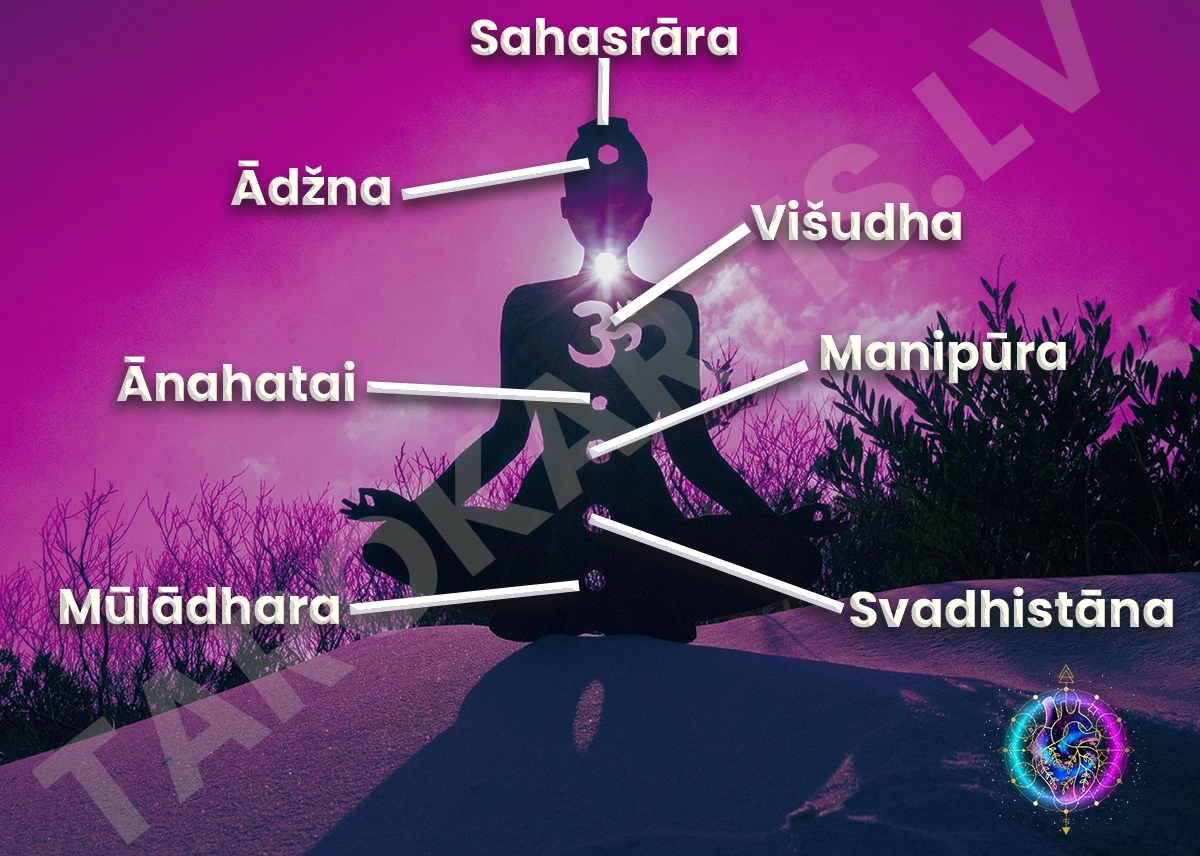
Chakras are something like energy vortexes. There are many energy points on the body, but seven chakras are considered the primary points, or vortexes. They are arranged along the length of the spine and are the main centers of energy and of the human energy structure.
Each chakra is responsible for its own organ, gland, or nerve center. Moreover, the chakras represent different aspects of human consciousness. For example, the third chakra is associated with willpower, while the sixth chakra is associated with intuition and higher wisdom. All the physical functions of the body, just like the aspects of consciousness, are connected to the chakra system.
All seven chakras work in concert, much like the organs and glands in the physical body. And just like organs and glands, chakras can be healthy or weakened, in balance or out of balance. Chakras, however, are easy to influence. For this purpose there are methods of activation, harmonization, and strengthening of a chakra's activity. Each chakra is extremely important, connected to the others, and must be in balance. If a person's life is harmonious, their chakras are in balance too. It is a multi-stage process. Behavior affects the energy of the chakras, which in turn affects behavior, which again affects the chakras. The state of balance is defined differently for each person. It is extremely unstable, as it is subject to various changing influences. The path of self-improvement and spiritual development is also the key to attaining balance and learning to withstand changing external circumstances.
Muladhara
The first chakra (Muladhara) is located at the very base of the spine, between the anus and the genitals. It is connected to the large intestine, the adrenal glands, and the sacral plexus. The first chakra is responsible for survival, strength, and the flow of life energy.
Svadhisthana
The second chakra (Svadhisthana) is located in the lower part of the spine, in the area of the genitals. It is associated with sexual desire. Its nerve center is the prostatic plexus (in men) and the utero-vaginal plexus (in women). The second chakra is responsible for survival, reproduction, sexuality, and vitality. Creativity can express itself in many ways. At its most fundamental, creativity for a human being means the act of procreation.
Manipura
The third chakra (Manipura) is located in the area of the solar plexus. It is connected to the metabolic organs, the liver, the kidneys, and the pancreas. Its main nerve center is the solar plexus. The main functions of the third chakra are will, personal power, metabolism, and the absorption of nutrients.
Anahata
The fourth chakra (Anahata) is located on the spine, in the chest area. It is connected to the heart, the lungs, and the thymus gland. Its main nerve center is the cardiac plexus. The main functions of the fourth chakra are love, compassion, love of life, immunity, the working of the heart, and the functioning of the lungs and bronchi.
Vishuddha
The fifth chakra (Vishuddha) is located in the throat area. It is connected to the vocal cords and the thyroid gland. Its main nerve center is the pharyngeal plexus. The fifth chakra is responsible for higher creativity and oratorical abilities. Through this center flows the energy that supports the expression of creativity, artistry, art, and public speaking.
Ajna
The sixth chakra, or Ajna, is located in the center of the head, between the eyebrows. The organs associated with it are the brain and the pituitary gland. Its primary nerve center is the cavernous plexus. The sixth chakra is responsible for higher reason, intuition, clairvoyance, and clairaudience.
Sahasrara
The seventh chakra, or Sahasrara, is located at the top of the head and is connected to the brain and the epiphysis (the pineal gland). Its nerve center is the cavernous plexus (in the dura mater of the brain).